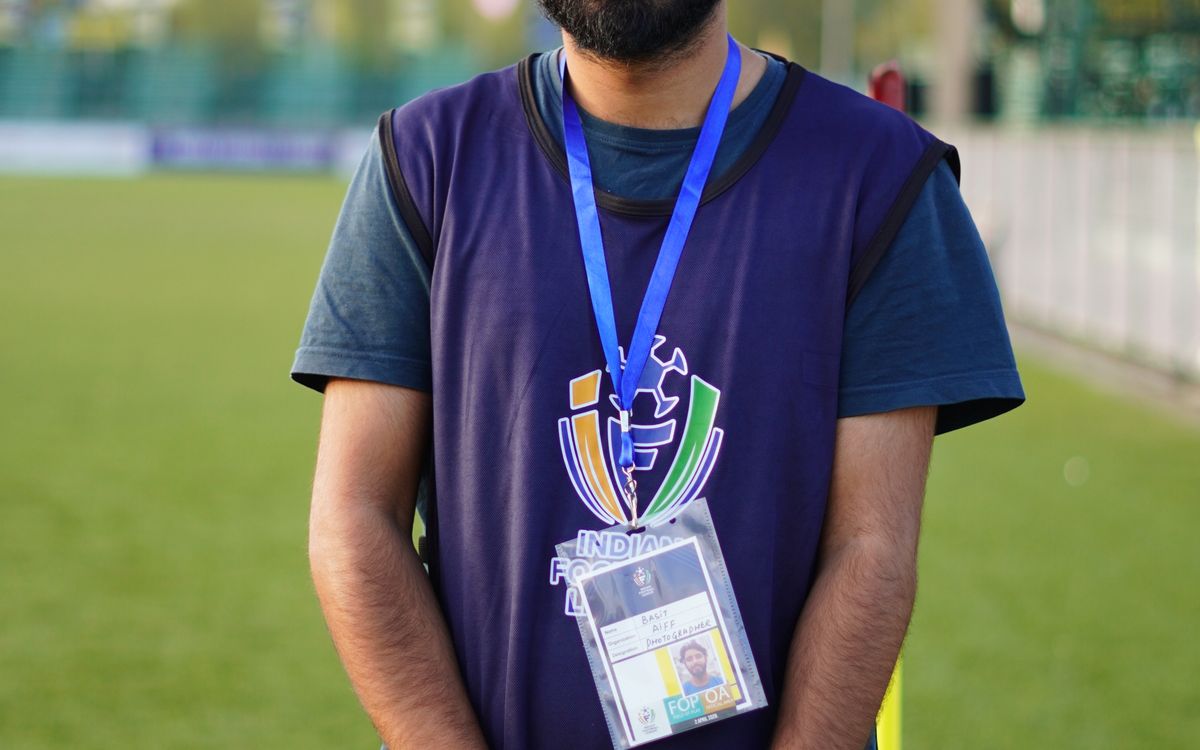
The cover is an illustrative image. This article presents a personal perspective on recording and reusing the photographs that remain after field reporting.
After a field assignment, far more photographs remain than can appear in the article. The lead image has to communicate the central event quickly, so decisive plays and recognizable athletes usually come first. Yet a frame does not lose its story simply because it was not selected.
The time an article leaves out
A player warming up, a brief signal from the bench or a stadium gradually filling does not explain the final score. It shows the atmosphere in which the game began and ended. The timeline required by an article is not always the same timeline a fan wants to experience.
When reviewing these images, I look beyond individual quality to the relationship between frames. Arranging preparation, waiting, reaction and departure in sequence can reveal a rhythm that no single photograph contains.
Returning context to a photograph
Reuse becomes misleading when the original context disappears. Date, event, place, people and credit need to remain attached to the image. Even a short caption explaining what happened and why the shutter was pressed can turn an asset into a field record.
Follow-up content can then ask a different question from the match report. A routine, a teammate’s reaction or the people who make the venue work can become a theme of its own. The same event begins to tell another story without changing what the photograph represents.
An archive for the next story
A photo archive is both a record of the past and research for future work. Repeated gestures across games can reveal team culture or a player’s development. At the end of a season, images can show patterns that were difficult to recognize in the moment.
The photo feed gives unused images their own context and credit. Their second life is not simply a way to consume leftover material. It is an invitation to look longer at the parts of the field that the first article could not fully explain.